
Family allowance is a financial support system designed to help families raise children with stability.
It provides monthly payments based on the number of children a family has and their total income.
In many countries, including Brazil, it forms part of larger social welfare programs that protect families and children.
Understanding Family Allowance Programs
Family allowance programs serve as a foundation for social equality. They aim to reduce income inequality by providing families with consistent monthly aid.
These programs ensure that every child has access to basic needs such as food, education, and healthcare. Governments manage them to ensure fairness and transparency.
Definition and Purpose
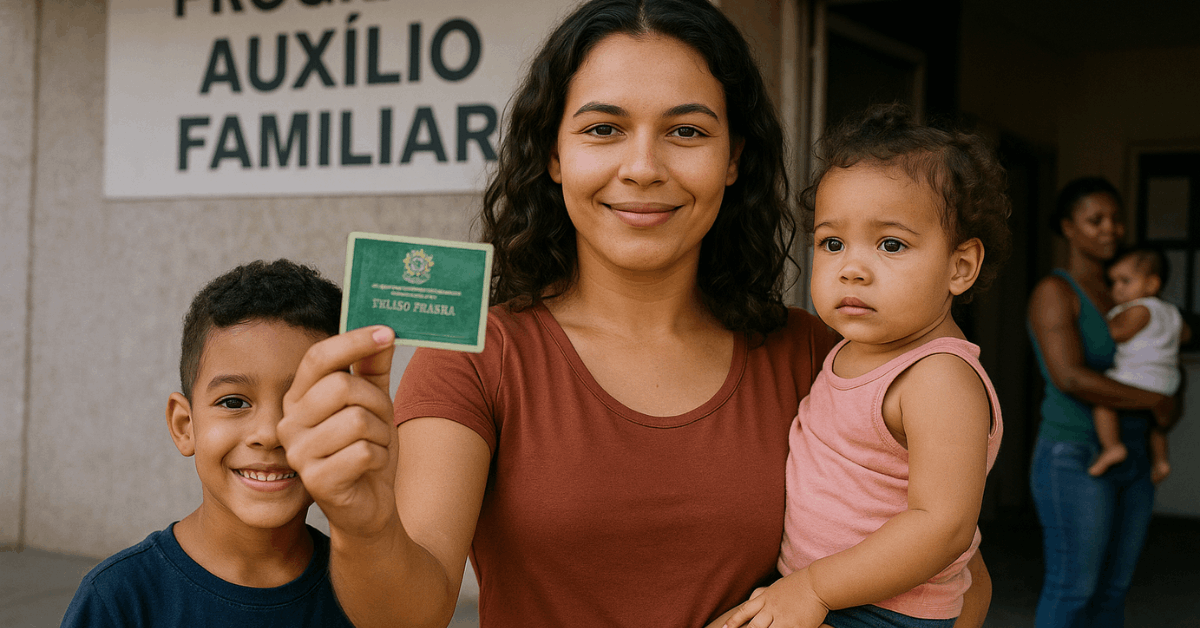
A family allowance is a monthly benefit given to eligible families with children. It’s designed to help cover essential living expenses and reduce child poverty.
Payments are based on family size, income, and household structure. The main goal is to ensure that children grow in healthy and secure environments.
Legal Foundation and Eligibility
Eligibility depends on the country’s social protection laws. In Brazil, the federal government defines specific income thresholds and registration rules.
Families must provide complete information about dependents and income. Periodic verification ensures only qualified households receive ongoing benefits.
Calculation of Monthly Payments
Family allowance amounts are determined through a structured formula. The number of children and income level play the biggest roles in defining the payment.
This method ensures fairness while targeting the families most in need. Governments review these structures regularly to maintain balance and efficiency.
Based on Number of Children
Payments increase with the number of children in a family. A single child receives a base rate, while families with multiple children receive proportionally higher total amounts.
However, most programs have maximum limits to prevent imbalance. This ensures that all families receive fair but sustainable support.
Income Brackets
Family allowance benefits vary by income category. Families in the lowest income brackets receive higher payments per child.
This system ensures that financial help is directed toward those who need it most. Brazil uses income thresholds to keep the distribution efficient and fair.
Additional Factors
Additional factors such as the child’s age, school attendance, and vaccination records can affect eligibility. These conditions promote child welfare and public health compliance.
Some programs suspend benefits if these obligations are not met. This approach connects financial aid with positive social outcomes.
Registration and Application Process
Registering for a family allowance requires proper documentation and accurate information. Governments use these details to verify eligibility and ensure transparency.
Families must complete the registration process at designated social service centers or through online systems.
Where to Apply?
Applications are submitted through official welfare offices or verified digital portals. In Brazil, this is managed by the national social registry known as Cadastro Único.
Local offices provide guidance for completing applications correctly. Ensuring correct information prevents delays in benefit approval.
Required Documents
Families need to present documents such as identification cards, proof of income, proof of residence, and the birth certificates of all children.
These documents verify both family composition and income level. Submitting complete and accurate paperwork is essential to prevent disqualification.
Updating Household Information
Families must regularly update their information to remain eligible. Changes in income, residence, or number of children must be reported promptly.
Failing to update records can lead to suspension or cancellation of benefits. Transparency maintains the integrity of the entire system.
Benefits and Impact on Families
Family allowance programs provide consistent financial help that strengthens households.
They not only reduce poverty but also promote education and health improvements.
The payments allow families to focus more on their children’s development instead of financial instability.
Financial Support
Monthly payments help families pay for essential needs such as food, clothing, and school supplies. This steady income is especially vital for low-income households.
In Brazil, such programs have proven effective in reducing extreme poverty. Stable financial assistance gives families a stronger foundation for planning their future.
Educational Incentives
Most family allowance systems include school attendance requirements. Parents must ensure their children attend school regularly to continue receiving benefits.
This helps fight illiteracy and promotes long-term development. Education-based conditions are essential to breaking the cycle of poverty.
Health and Social Benefits
Health-related conditions, such as required medical checkups and vaccinations, improve child health outcomes.
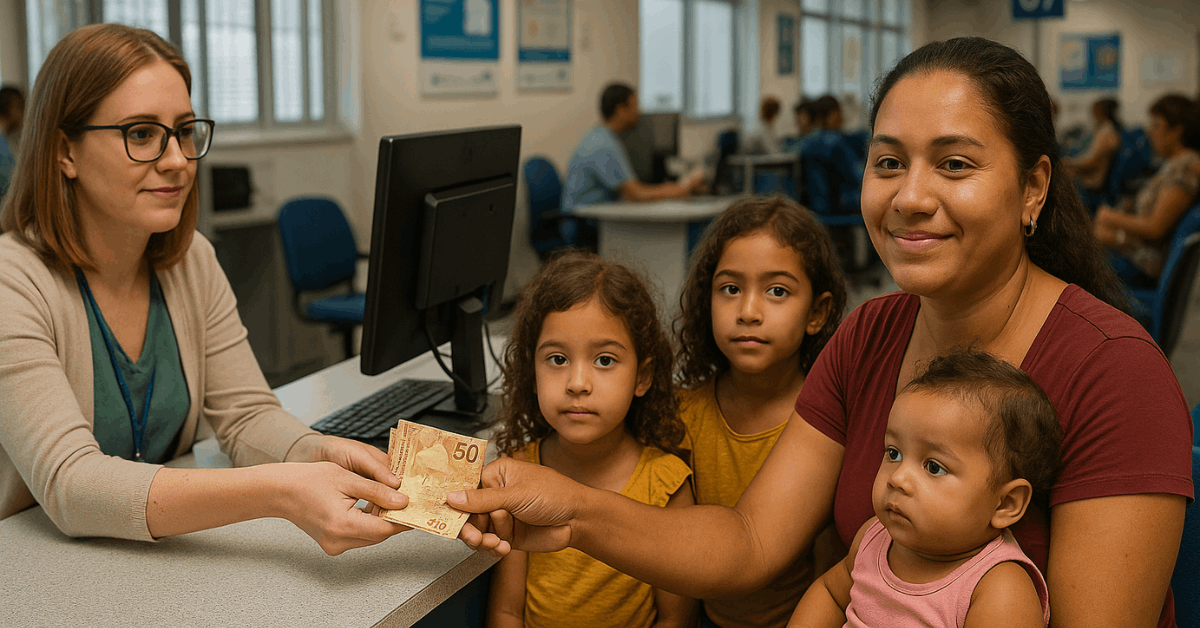
These requirements also connect families to national healthcare systems. Over time, such measures reduce preventable diseases. They ensure that every child grows up in a healthier environment.
Comparison With Other Social Programs
Family allowance programs often work alongside other social aid schemes. These combined efforts help families gain stability and access different types of support.
Integrating welfare systems ensures that resources reach those in greatest need efficiently.
Child Benefit vs. Family Allowance
Child benefits are universal, while family allowances are income-based. Family allowance focuses on households under a defined income threshold.
Brazil’s model follows this approach to prioritize families with limited financial means. This difference ensures targeted assistance rather than general distribution.
Integration With Other Subsidies
Family allowance often complements housing, education, or food subsidy programs. This integration strengthens overall family welfare.
Combining benefits creates a more stable safety net for vulnerable households. It also reduces duplication of aid and administrative costs.
Common Challenges and Misconceptions
Challenges and misunderstandings often arise with family allowance programs. These issues can delay payments or create false perceptions about how the system works.
Clear communication and consistent updates from the government are essential to maintaining trust.
Delayed Payments
Delays may happen due to incomplete or incorrect information in applications. Updating details and providing accurate records can prevent these issues.
Families should regularly check their status to ensure continued benefits. Governments are improving digital tools to reduce such problems.
Myths About Fraud
Some people think that many beneficiaries misuse the system. However, verification mechanisms and data tracking prevent most fraudulent cases.
In Brazil, the national database helps detect irregularities efficiently. These systems protect public funds while supporting honest applicants.
Awareness and Education
Lack of awareness is a common reason why eligible families miss out on benefits. Information campaigns help educate the public about rights and processes.
Community outreach ensures everyone knows how to apply and maintain eligibility. Better awareness leads to higher participation and fairer outcomes.
Government Role and Future Improvements
Governments play a central role in managing and improving family allowance systems.
Their policies shape how benefits are distributed and monitored. Continuous innovation helps adapt these programs to changing economic realities.
Policy Updates
Governments regularly review and adjust benefit rates, income thresholds, and eligibility requirements. These updates reflect inflation and social priorities.
In Brazil, reforms ensure that assistance aligns with current living conditions. Adjustments maintain fairness and improve long-term effectiveness.
Digitalization and Data Accuracy
Modern digital systems make registration and verification faster and more transparent. Governments use databases to cross-check information and prevent duplication.
Digitalization also improves service delivery, reducing waiting times for families. Automation ensures greater accuracy in payments.
Long-Term Social Impact
Sustained family allowance programs have a proven impact on reducing inequality. They improve access to education, health, and employment opportunities.
The benefits extend across generations, creating lasting social progress. Over time, these systems contribute to national stability and stronger communities.
Final Thoughts: Strengthening Families Through Consistent Support
Family allowance programs remain essential tools for social progress. By offering monthly payments based on the number of children, they promote fairness and opportunity.
They also ensure that families have the means to meet basic needs and support their children’s future.
With ongoing reforms and accurate administration, Brazil and other countries continue to build stronger, more inclusive societies.