
Disasters can strike suddenly, leaving communities struggling to recover. Understanding emergency benefits of public calamities helps you know where to turn when federal aid becomes available.
These programs offer critical support for individuals and families affected by officially declared disasters. You’ll learn what types of aid exist, how to qualify, and what steps ensure fast and reliable assistance.
Understanding Federally Recognized Calamities
Before aid is released, a disaster must be officially declared by federal authorities. This declaration identifies the affected areas and activates specific assistance programs.
The recognition process involves state requests, damage assessments, and federal approval. Once confirmed, affected citizens become eligible for several forms of support.
How a Disaster Becomes Federally Recognized?
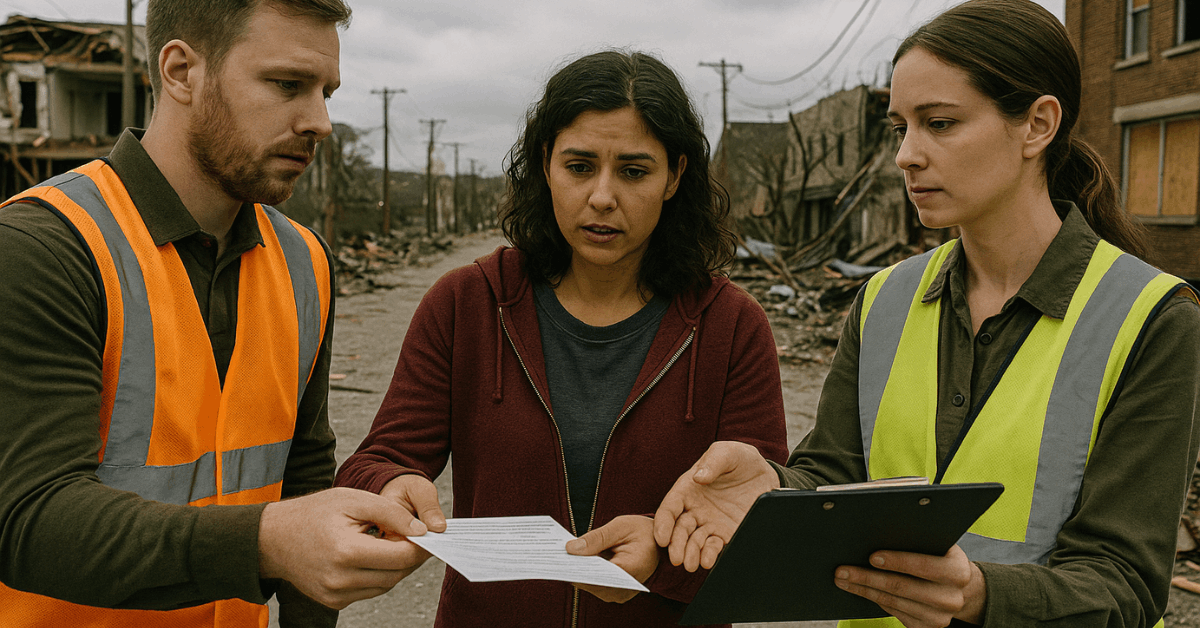
Federal recognition begins when a state governor requests help from the President. FEMA and related agencies then conduct on-site evaluations to measure the severity of the event.
If the damage exceeds state capabilities, a formal disaster declaration is issued. This step ensures rapid access to national funds, recovery experts, and essential relief services.
Why Federal Recognition Matters?
This recognition opens the door to federal funding, medical aid, and housing assistance. It also allows coordination between national and local agencies for faster response.
Without this approval, state resources may be limited, delaying help for affected families. The federal process guarantees structured, transparent, and prioritized recovery efforts.
Key Agencies Managing Emergency Benefits
When calamities occur, several federal bodies collaborate to deliver aid effectively. Each agency has a clear role in ensuring assistance reaches those who need it most.
Federal Emergency Management Agency - FEMA
FEMA oversees most disaster-response operations in the U.S. It provides grants for temporary housing, home repairs, and personal recovery expenses.
The agency also coordinates state and volunteer efforts for emergency relief. FEMA’s online and in-person systems make registration simple for individuals and families in need.
Small Business Administration - SBA
The SBA assists small business owners affected by calamities. It offers low-interest loans to rebuild property or replace damaged assets.
Businesses can apply directly through SBA’s disaster portal for quick processing. This program helps stabilize local economies during long-term recovery.
Department of Health and Human Services - HHS
HHS manages health-related assistance during public emergencies. It supports hospitals, clinics, and community centers affected by natural or health disasters.
The agency also coordinates medical teams and distributes essential supplies. HHS ensures that vulnerable populations receive proper healthcare even during crisis periods.
Types of Emergency Benefits Available
Various benefits exist to help people recover from federally recognized disasters. Each program addresses different needs, from housing to nutrition and mental health.
Individual Assistance - IA
This program provides direct help to affected families. It covers temporary housing, property repair, and replacement of essential items.
Recipients can apply through FEMA’s official website using identification and damage proof. IA ensures immediate support during critical recovery phases.
Public Assistance - PA
PA focuses on rebuilding damaged public infrastructure. Local governments receive funds to restore roads, schools, and public facilities.
This aid also covers emergency protective measures like debris removal and hazard prevention. The goal is to restore normal community operations quickly and safely.
Disaster Unemployment Assistance - DUA
DUA supports individuals who lost jobs or income due to a declared disaster. It temporarily replaces lost wages until local industries recover.
Applicants must prove employment interruption directly linked to the calamity. DUA prevents financial instability during uncertain recovery times.
How to Apply for Emergency Assistance?
Knowing how to apply correctly increases your chances of getting approved. Follow these steps to access support quickly and efficiently.
Steps to File for Aid
A few essential actions can help you apply correctly and efficiently. The bullet points below explain the main steps to follow:
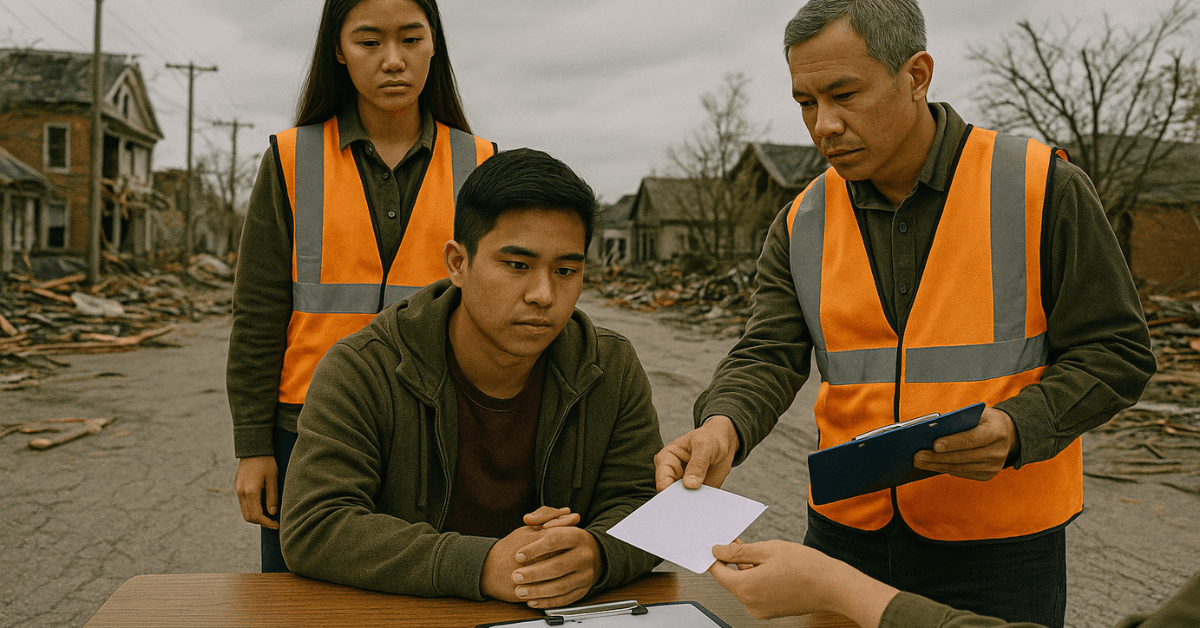
- Visit FEMA’s Disaster Assistance portal or call the national helpline to start your application.
- Provide valid identification, current address, and loss documentation for accurate processing.
- Track your application using the provided confirmation number to monitor progress.
- Keep all receipts and photos of damages as proof for claim verification.
Tips for a Successful Application
A well-prepared approach can make your claim process smoother and faster. The following tips outline what you can do to ensure a successful application.
- Submit early: Federal programs often have strict deadlines.
- Stay organized: Keep copies of all submitted forms.
- Verify eligibility: Ensure your county is included in the federal declaration list.
- Follow up: Contact local FEMA offices if your claim is delayed.
These practices help speed up the process and reduce rejection risks.
Eligibility Requirements and Documentation
Eligibility depends on where you live and how the calamity affected you. Federal aid applies only to those within officially recognized disaster zones.
Applicants must show proof of residence and ownership if claiming property damage. Low-income families, seniors, and persons with disabilities may qualify for priority programs.
Business owners need to provide tax records and insurance documents to confirm losses. Proper documentation ensures transparent and fair fund distribution.
Duration and Renewal of Benefits
Most emergency programs are temporary and end once recovery stabilizes. However, extensions may be granted for communities facing ongoing hardships.
Beneficiaries should check renewal terms on FEMA’s website or through local offices. Some programs require re-verification every few months to continue receiving aid.
Once local systems recover, federal involvement gradually decreases. Staying updated on deadlines helps maintain consistent support.
Common Challenges in Receiving Aid
Every aid process faces obstacles that can delay approval or reduce support quality. The points below summarize the most frequent issues and solutions:
- Delays in processing: Late submissions or high application volumes can slow responses.
- Misinformation: Relying on unofficial sources may lead to confusion or missed opportunities.
- Incomplete documents: Missing proof of identity or property can result in rejection.
- Misunderstanding eligibility: Some applicants request programs not designed for their needs.
- Fraud and misuse: False claims disrupt funding and harm genuine recipients.
Staying aware of these challenges helps you prepare properly and receive aid without delays.
Examples of Past Federal Disaster Aid
Reviewing past cases shows how emergency benefits have helped entire regions recover. These examples demonstrate the effectiveness of structured federal intervention.
Hurricane Katrina - 2005
One of the largest U.S. disaster responses involved housing, healthcare, and infrastructure repair. FEMA and partner agencies distributed billions to affected states. Despite challenges, federal coordination improved disaster preparedness for future events.
COVID-19 Pandemic - 2020–2022
This public health emergency triggered extensive unemployment and food assistance programs.
HHS and FEMA collaborated to support hospitals and vaccine distribution. Millions received financial relief to offset economic loss.
California Wildfires - 2023
FEMA, SBA, and USDA provided emergency grants and low-interest loans. Homeowners rebuilt properties using disaster-recovery funding. Agricultural communities also benefited from the USDA’s recovery initiatives.
Preparing for Future Calamities
Preparation ensures faster access to aid during disasters. Staying informed saves time and reduces stress during emergencies.
Keep digital and printed copies of your key identification and property documents. Register with local and federal emergency alert systems.
Participate in community disaster readiness training and keep emergency kits ready. Proactive steps improve survival and recovery outcomes significantly.
Your Rights and Responsibilities as a Recipient
Every recipient must understand their duties when receiving aid. Federal programs operate under accountability rules to maintain fairness.
You must use funds strictly for intended purposes like repairs or relocation. Reporting misuse or fraud protects community integrity.
If denied aid, applicants can appeal by submitting new evidence. Respecting these rules helps sustain future funding programs.
A Stronger Tomorrow: Moving Forward After Calamities
Understanding emergency benefits public calamities empowers you to act quickly when disasters strike. These programs ensure stability, recovery, and fair access to financial and housing aid.
Learning the system helps protect your family and property from long-term damage. Stay informed, stay prepared, and use these benefits to rebuild a stronger future.