
The Rural Productive Activities Program (PAPR) helps extremely poor rural families create sustainable income sources.
It provides financial support and technical guidance to encourage small-scale farming, crafts, and other productive projects.
Through this program, families gain independence, improve living conditions, and contribute to rural development across the country.
Program Objectives and Goals
The program’s objectives are centered on improving the lives of Brazil’s poorest rural families.
It aims to give them the tools, knowledge, and support needed to build lasting income and self-reliance.
Below are the main goals of the Rural Productive Activities Program (PAPR):
- Promote financial independence by supporting small-scale farming, livestock, and local business activities.
- Increase food security through sustainable food production and better access to local markets.
- Encourage environmental responsibility by promoting eco-friendly and low-impact agricultural practices.
- Strengthen family farming as a foundation for rural development and community well-being.
- Empower women and traditional communities to lead and manage local productive projects.
- Reduce dependency on social benefits by creating long-term income opportunities.
How the Program Works
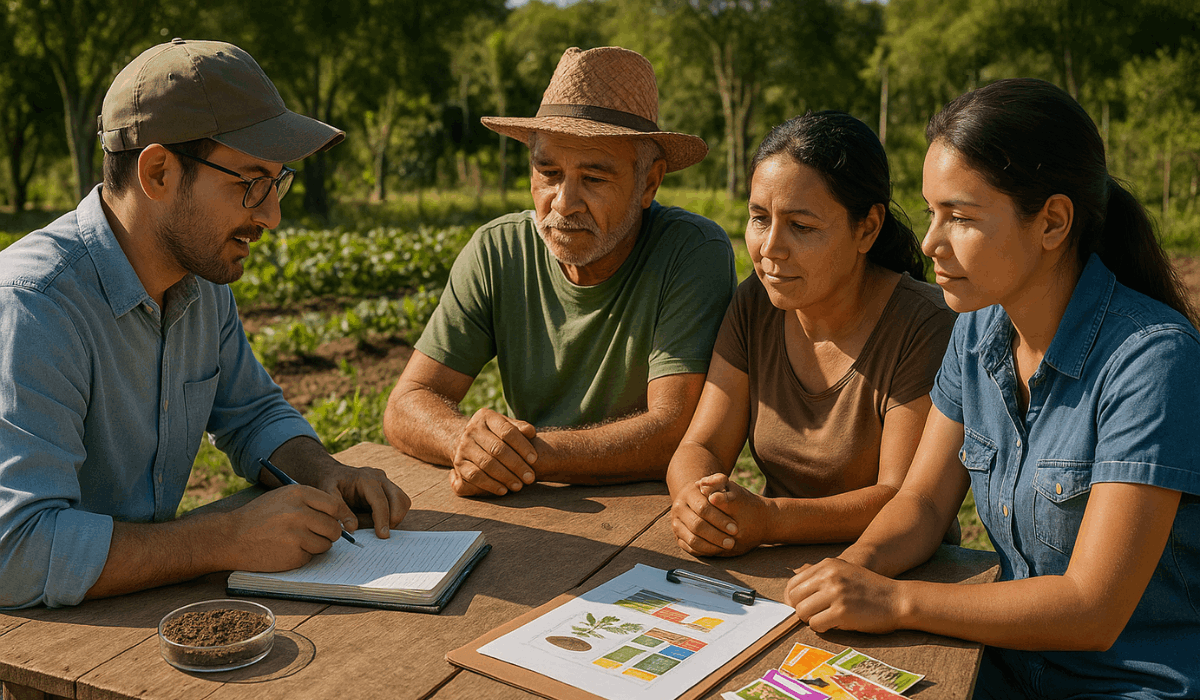
The Rural Productive Activities Program (PAPR) provides financial and technical support to help families create self-sustaining projects.
Below are the main steps of how the program works:
- Family Selection: Identifies eligible families through CadÚnico records and local government partnerships.
- Project Planning: Each family develops a small productive plan with guidance from trained technicians.
- Financial Support: Provides direct funding to buy materials, seeds, animals, or basic equipment.
- Technical Assistance: Offers regular visits from agricultural experts to monitor progress and solve challenges.
- Implementation and Follow-Up: Tracks project development to ensure income growth and sustainability.
- Evaluation: Measures the social and economic impact, adjusting methods to improve future results.
Eligibility and Participation Criteria
To join the program, families must meet key requirements that target extremely poor and traditional rural communities. Here are the main eligibility criteria:
- CadÚnico Registration: Families must be registered and have updated information in CadÚnico.
- Income Level: Household income per person must be below the official extreme poverty line.
- Rural Residence: Applicants must live in rural areas and depend on local agricultural or manual work.
- Priority Groups: Preference is given to women, Indigenous, and Quilombola families, as well as traditional communities.
- Local Verification: Eligibility is confirmed through CRAS offices or municipal authorities.
- Commitment to Participation: Families must agree to follow technical guidance and manage project funds responsibly.
Productive Activities Supported
The program supports various projects that help families earn income based on their local resources and traditions.
Here are the main types of activities supported:
- Family Farming: Cultivation of fruits, vegetables, and grains for home use and local sales.
- Animal Raising: Breeding chickens, goats, pigs, or fish to supply food and extra income.
- Handicrafts and Food Processing: Producing and selling handmade goods or processed foods like jams and cheese.
- Rural Services: Offering small-scale services such as carpentry, sewing, and equipment repair.
- Sustainable Projects: Implementing eco-friendly practices like composting, reforestation, and efficient irrigation.
- Community Ventures: Creating cooperatives or local markets that connect producers to buyers.
Program Partnerships and Community Networks
Partnerships and community networks expand the program’s reach and connect families with local institutions and resources.
Here are the main collaborators involved:
- Municipal Governments: Coordinate local implementation, register families, and oversee financial support.
- CRAS Centers: Act as contact points between families and the federal government, providing guidance and follow-up.
- Non-Governmental Organizations (NGOs): Offer training, workshops, and technical expertise for rural production.
- Agricultural Cooperatives: Help families sell their products, access supplies, and join collective marketing initiatives.
- Universities and Research Institutes: Provide innovation, sustainable farming methods, and technical studies.
- Community Associations: Strengthen solidarity, promote mutual support, and organize collective projects.
- Private Sector Partnerships: Contribute funding, logistics, and access to new markets for rural producers.
Social and Economic Impact
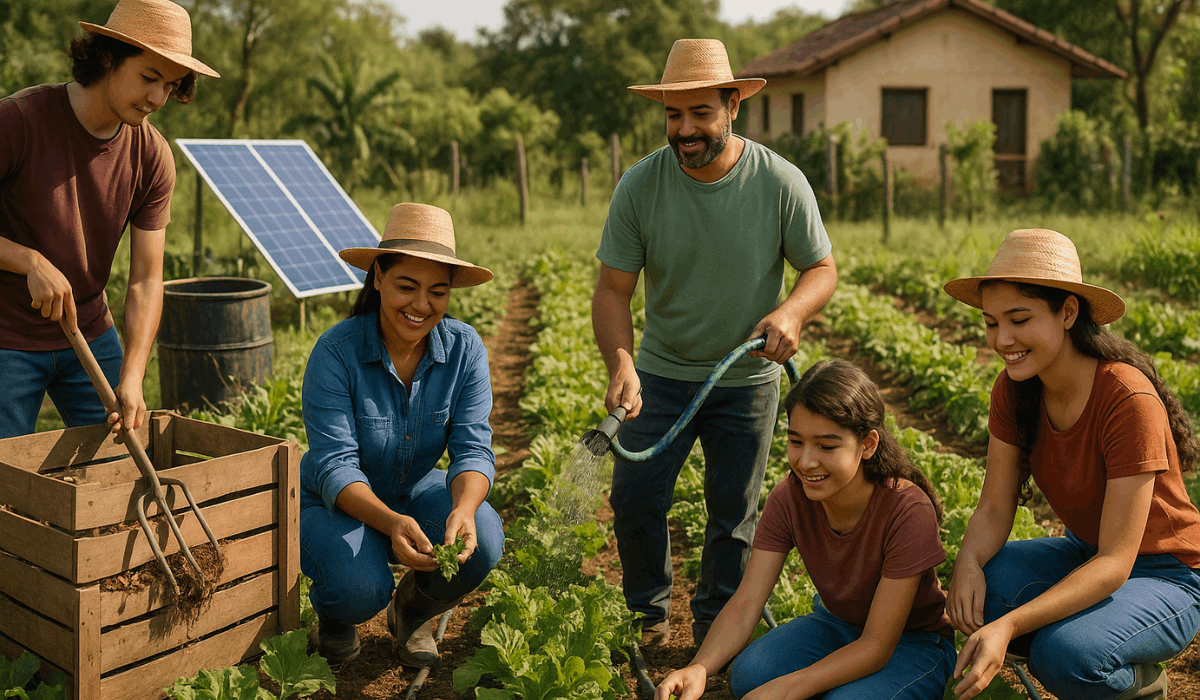
The program has improved income, independence, and access to food and education for many rural families. Here are its main social and economic impacts:
- Income Growth: Families report higher earnings through small-scale farming and local business activities.
- Food Security: Greater access to healthy, homegrown food reduces dependence on external aid.
- Job Creation: Rural projects generate work opportunities for family members and neighbors.
- Women’s Empowerment: Many projects are led by women, increasing their financial and social autonomy.
- Community Development: Strengthened local networks lead to more cooperation and shared progress.
- Reduced Poverty: Families gradually transition from social aid programs to sustainable income sources.
- Education and Skills: Training and technical assistance improve knowledge and long-term productivity.
Challenges and Recent Improvements
The program still faces some rural implementation challenges, but recent updates have improved its efficiency and reach. Here are the main points:
- Limited Infrastructure: Many rural communities lack proper roads, storage facilities, and internet access.
- Market Access: Families often struggle to sell their products beyond local areas.
- Training Gaps: Some participants need more technical knowledge to maintain long-term productivity.
- Resource Delays: Bureaucratic processes can slow down financial aid distribution.
- Digitalization Efforts: New online tools help register families faster and track projects more transparently.
- Expanded Partnerships: Collaboration with NGOs and universities has increased training quality and monitoring.
- Improved Evaluation: Updated methods measure results more accurately and identify areas needing support.
Environmental and Sustainable Practices
Sustainability is a key focus of the program, ensuring that rural development also protects natural resources.
Families are encouraged to adopt eco-friendly methods that balance production with environmental care. Below are the main sustainable practices promoted:
- Organic Farming: Use of natural fertilizers and pest control instead of chemical products.
- Water Conservation: Efficient irrigation systems and rainwater collection to reduce waste.
- Soil Protection: Crop rotation and reforestation to maintain soil fertility and prevent erosion.
- Renewable Energy: Introduction of solar panels and other clean energy sources in rural properties.
- Waste Management: Composting organic waste and recycling materials to reduce pollution.
- Low-Carbon Agriculture: Adoption of techniques aligned with Brazil’s Low-Carbon Agriculture (ABC) Plan.
How to Apply
Families who meet the requirements can apply through local social assistance offices or municipal programs.
The process is simple and ensures that applicants receive the guidance they need from the start. Below are the main steps to apply:
- Visit a CRAS Office: Go to the nearest Centro de Referência de Assistência Social (CRAS) to request participation.
- Check CadÚnico Status: Ensure your CadÚnico record is current before applying.
- Submit Required Documents: Provide ID, proof of address, and family income data.
- Interview and Verification: Local staff will assess your eligibility and verify the information.
- Project Planning: If approved, you’ll work with technicians to design a productive plan.
- Receive Support: After plan validation, financial aid and technical help are granted.
- Online Application (if available): In some municipalities, you may apply via government portals or mobile apps — check your city hall’s or MDS’s website.
Conclusion – A Path Toward Rural Dignity and Sustainability
The Rural Productive Activities Program (PAPR) continues to transform rural communities by promoting income growth, sustainability, and self-reliance.
Its progress depends on the active participation of families, local organizations, and government agencies.
If you qualify, visit your nearest CRAS office or the MDS website to apply and take the first step toward a more sustainable future.