
The SUS (Sistema Único de Saúde) is Brazil’s public healthcare system that provides free and universal access to all citizens.
It was created to guarantee medical care as a constitutional right, ensuring equality across the country.
This article explains how SUS works, its benefits, challenges, and its vital role in protecting public health.
Understanding SUS
The SUS was established in 1988 after Brazil’s return to democracy, ensuring healthcare as a right for every citizen.
It is guided by three principles — universality, equity, and comprehensiveness — which guarantee equal access and full medical coverage.
Through this system, all Brazilians can receive preventive, emergency, and hospital care without any cost.
Structure and Organization
The SUS structure ensures healthcare reaches all regions.
It works through cooperation among federal, state, and municipal governments, each with defined responsibilities.
This coordination keeps services efficient and accessible nationwide.
- Federal Level: Oversees national health policies, allocates funding, and monitors program implementation through the Ministry of Health.
- State Level: Coordinates regional networks, manages specialized hospitals, and supports municipalities with technical guidance.
- Municipal Level: Handles most daily services such as primary care, vaccinations, and local clinics directly serving the community.
- Health Councils: Ensure community participation in planning, monitoring, and evaluating health policies.
- Hierarchy of Care: Divided into primary, secondary, and tertiary levels to organize services from basic prevention to complex treatment.

How SUS Works
The SUS operates through shared funding, public facilities, and coordinated programs that serve communities nationwide.
It relies on teamwork between government levels and healthcare professionals to reach millions daily.
This structure keeps healthcare accessible and organized across Brazil.
- Funding: Financed by federal, state, and municipal budgets to ensure equal access to medical services.
- Public Facilities: Includes hospitals, clinics, and Family Health Units that offer free treatment and preventive care.
- Health Professionals: Community health agents, nurses, and doctors deliver care directly in local areas.
- Programs: Covers vaccination campaigns, health education, and chronic disease monitoring.
- Management: Uses shared databases and digital platforms like Conecte SUS for patient records and service coordination.
Services Offered by SUS
This health system provides free healthcare for prevention, treatment, and recovery. It serves all citizens, offering both basic and specialized care.
Its mission is to ensure everyone receives medical support, no matter their income.
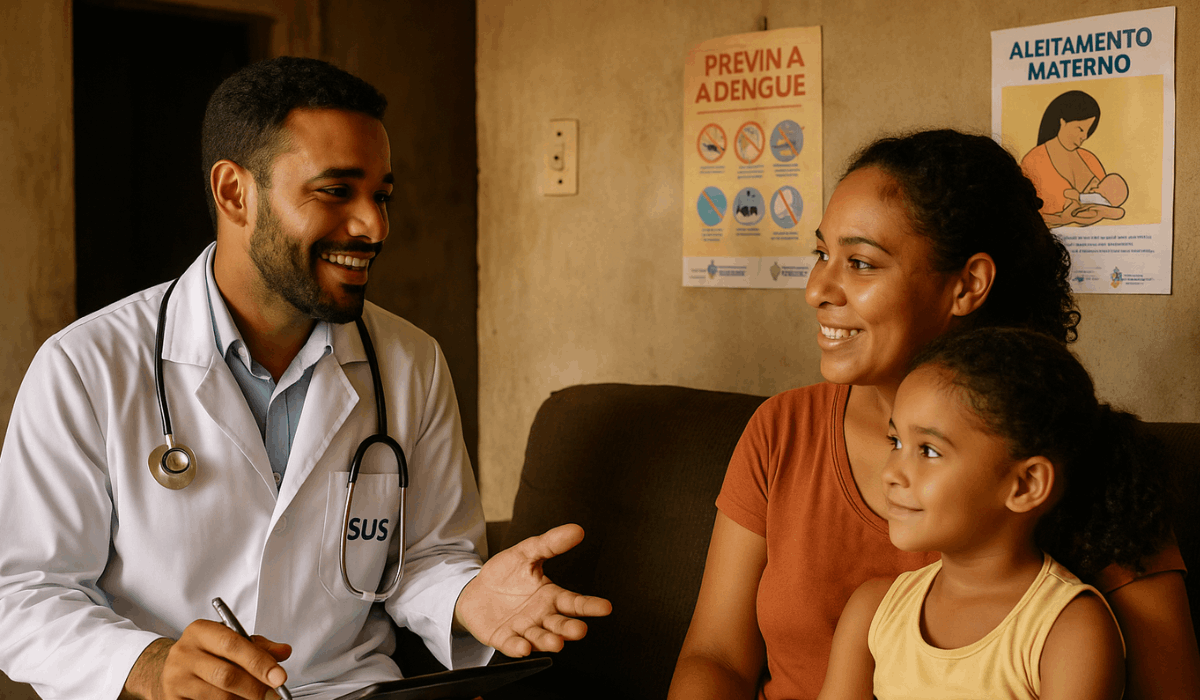
- Primary Care: Family Health Units and local clinics provide regular checkups, prenatal care, and disease prevention.
- Vaccination Programs: Offer nationwide immunizations against major diseases for all age groups.
- Hospital and Emergency Care: Includes surgeries, maternity services, and urgent medical attention.
- Mental Health and Rehabilitation: Covers psychological support, therapy, and recovery programs.
- Dental Services: Provides oral hygiene education, cleanings, and basic dental procedures.
- Free Medications: Distributed through programs like Farmácia Popular for chronic and common illnesses.
Achievements and Social Impact
Brazil’s public health system has dramatically improved national well-being. It expanded access, reduced inequality, and strengthened disease prevention.
These advances prove their key role in creating a healthier, fairer society.
- Increased Life Expectancy: Broader access to medical care has helped Brazilians live longer, healthier lives.
- Reduced Infant Mortality: National vaccination and prenatal programs have lowered infant death rates nationwide.
- Disease Control: Large-scale campaigns successfully reduced illnesses like polio, dengue, and HIV.
- COVID-19 Response: Coordinated testing, treatment, and vaccination protected millions during the pandemic.
- Social Inclusion: Free access to healthcare has supported low-income families and reduced inequality.
- Community Empowerment: Public health education and participation programs encourage citizens to take part in health decisions.
Challenges Faced by SUS
Brazil’s healthcare system still struggles with limited resources, unequal access, and staff shortages.
These challenges affect service quality nationwide. Solving them is crucial to sustain and improve universal care.
- Underfunding: Insufficient budgets lead to delays in infrastructure upgrades and supply shortages.
- Long Waiting Times: High demand often results in extended waits for consultations and surgeries.
- Unequal Access: Rural and remote regions face limited healthcare facilities and specialists.
- Workforce Shortages: Many areas lack trained doctors, nurses, and technicians.
- Infrastructure Problems: Aging hospitals and outdated equipment hinder efficiency.
- Management Issues: Bureaucracy and inconsistent coordination between government levels slow response and innovation.
Government Programs and Modernization
Brazil’s healthcare system is modernizing through digital tools, better management, and infrastructure upgrades.
These efforts aim to make services faster, more transparent, and accessible to everyone.
- Conecte SUS: A digital platform that centralizes patient records, vaccination history, and test results for easy access.
- Telemedicine Expansion: Allows remote consultations, reducing pressure on hospitals and reaching isolated regions.
- Infrastructure Investments: Renovation of hospitals, clinics, and laboratories to improve service capacity.
- Health Management Systems: Modern tools that track resource use, appointments, and hospital data in real time.
- Public-Private Partnerships: Joint efforts with private institutions to boost innovation and expand specialized services.
- Training Programs: Continuous education for health professionals to adapt to new technologies and procedures.
Health Education and Prevention Programs
Health education and prevention programs help keep the population healthy and reduce hospital demand.
They promote awareness, disease prevention, and healthy habits in schools, communities, and clinics nationwide.
- Family Health Strategy (ESF): Teams visit homes to guide hygiene, nutrition, and chronic disease prevention.
- National Immunization Program: Ensures free vaccines for children, adults, and seniors, preventing widespread illnesses.
- School Health Program (PSE): Promotes health education among students, covering topics like nutrition and mental well-being.
- Anti-Smoking and Alcohol Campaigns: Raise awareness about the risks of substance abuse and promote healthier habits.
- Women’s Health Initiatives: Include breast cancer screening, prenatal care, and reproductive health education.
- Nutrition and Physical Activity Programs: Encourage balanced diets and regular exercise to prevent obesity and diabetes.
Role During Health Emergencies
During health emergencies, Brazil’s public system plays a vital role in protecting the population.
It coordinates national responses, manages resources, and ensures treatment for those affected. Its broad network allows rapid action in crises across all regions.
- COVID-19 Response: Organized testing, vaccination, and treatment through hospitals and community units.
- Emergency Hospitals and Field Units: Set up temporary facilities to handle patient surges during outbreaks or disasters.
- Vaccine Distribution: Managed large-scale logistics to deliver vaccines quickly nationwide.
- Epidemiological Surveillance: Tracks and reports disease outbreaks to prevent wider spread.
- Disaster Relief Support: Provides medical assistance during floods, epidemics, and other national emergencies.
- Public Communication: Shares accurate health information to educate and protect citizens during crises.
Why SUS Matters
Brazil’s universal healthcare system is a significant social achievement.
It provides free medical care, reduces inequality, and upholds dignity and the right to health for everyone.
- Social Justice: Ensures that healthcare is a right, not a privilege, protecting vulnerable and low-income groups.
- Nationwide Coverage: Reaches every region, including remote and rural communities.
- Economic Impact: Reduces private healthcare costs and supports workers’ productivity through better public health.
- Equality: Promotes fair access to services regardless of income, race, or location.
- Public Trust: Strengthens citizens’ confidence in government institutions through reliable healthcare delivery.
- Global Example: Serves as a model for other countries seeking to build universal, inclusive healthcare systems.
To Conclude
The SUS remains vital for protecting public health and promoting equality across Brazil.
Despite ongoing challenges, it continues to serve millions with dedication and efficiency.
Every citizen should value, support, and defend the SUS to ensure quality healthcare for future generations.